What I have learned about visibility, innovation and giving good work the opportunity to be discovered
There is something I have come to appreciate deeply as I am rounding up my tenure as a Vice-Chancellor: sometimes, a university can be doing remarkable things and still remain almost invisible to the world.
You can have brilliant lecturers, committed staff, innovative students, excellent research and meaningful partnerships. Yet, if nobody knows about the work, many of the opportunities that could come from it may never arrive. That is why I have come to believe that a good university simply cannot afford to remain a well-kept secret.
One of the experiences at Summit University that taught me this lesson began with a question we have consistently encouraged ourselves to ask: “What are we teaching our students?” and, more importantly, “What are we preparing them to do with what they have learned?”
That thinking informed our introduction of seven important 21st-century skills and courses, alongside a stronger student-centred approach to learning. Using the CCMAS 30% window, we introduced seven areas that we considered important for preparing our students for the 21st century: Financial Literacy; Clean and Renewable Energy; History, Heritage and Storytelling; Acadopreneurship; Islam and Global Citizenship; Family and Leadership Skills; and Artificial Intelligence and Emerging Technologies.
The idea was not to add courses simply because they sounded contemporary. We wanted students to leave the University with capabilities that could help them navigate—and contribute to—a rapidly changing world. Also, our intention was simple. We wanted our students to move beyond memorising knowledge. We wanted them to think, communicate, collaborate, solve problems, innovate and create. And sometimes, the best way to learn these things is to give students a real problem to solve.
One experience that particularly touched me was our work on the problem of egg theft affecting smallholder poultry farmers.
To some people, an egg may appear to be a very small thing. But to a smallholder farmer, repeatedly losing eggs can mean losing income needed for food, school fees, healthcare and the survival of the family. We therefore challenged our students to look at egg theft not simply as an agricultural problem, but as a real societal problem requiring creativity, technology and collaboration.
What happened next was exciting.
Our Computer Science students worked on AI-based approaches to detect suspicious movement around poultry houses. Our Mass Communication students explored how to communicate the problem and create awareness. Political Science students examined the policy and governance dimensions. Business Administration students looked at bookkeeping and business implications, while Accounting students considered the financial dimensions. Students and researchers from Biochemistry, Microbiology, Economics and other disciplines also became part of the conversation.
Then came the technology.
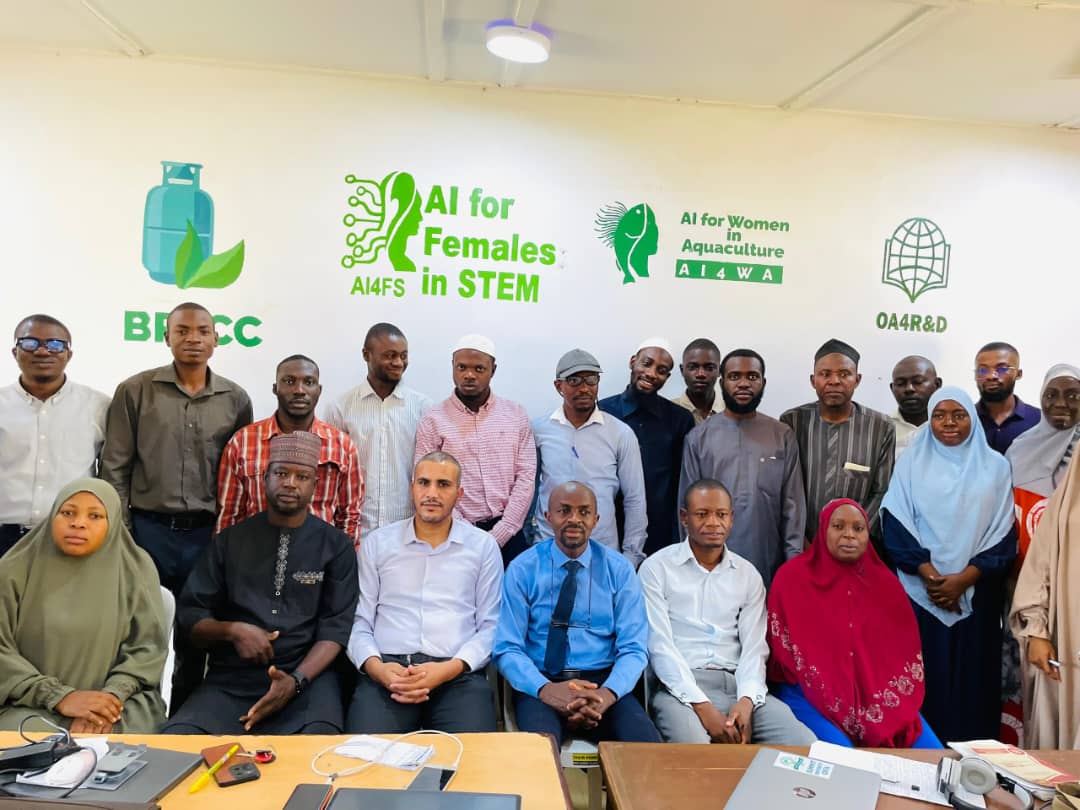
We introduced drones and artificial intelligence into the project. Storytelling became part of the solution. Industry and external partners became involved. The collaboration brought together the Federal University of Technology, Minna, Tiwakiki, Beyond Vision from Portugal and Momas Nigeria Limited, with support through the EU-funded REMARKABLE project.
And suddenly, what started as a problem involving stolen eggs had become a multidisciplinary university project involving artificial intelligence, drones, communication, policy, finance, business, science, technology and entrepreneurship.
That was the moment I became even more convinced that a final-year project should not simply be a document a student submits because graduation requires it.
We deliberately began transforming the final-year project into a capstone experience, an opportunity for students across the University to confront real societal problems and attempt to develop practical solutions.
For me, this is what university education should increasingly become.
I want a student to graduate not only with a certificate, but with the confidence to look at a problem and say, “I can solve something.”
When students work on real problems, something changes. The classroom becomes more alive. Students become more confident. Industry begins to see possibilities. Communities begin to see the university differently. And the university itself becomes more relevant to society.
But then I ask myself another question:
Who knows about all these things?
Imagine a young person searching for a university where they can actually build, innovate and solve problems. If that student never hears our story, how will they find us?
Imagine an industry looking for young innovators. Imagine a researcher looking for collaborators. Imagine a donor looking for an institution to support. If our work remains hidden within the walls of our campus, how will these people know where to look?
This is why I have come to see university visibility differently.
Visibility is not vanity. It is not about boasting. It is not about turning every routine activity into an achievement. It is about telling the truth about the good work being done and giving that work the opportunity to travel beyond the university.
I have tried to practise this philosophy personally.
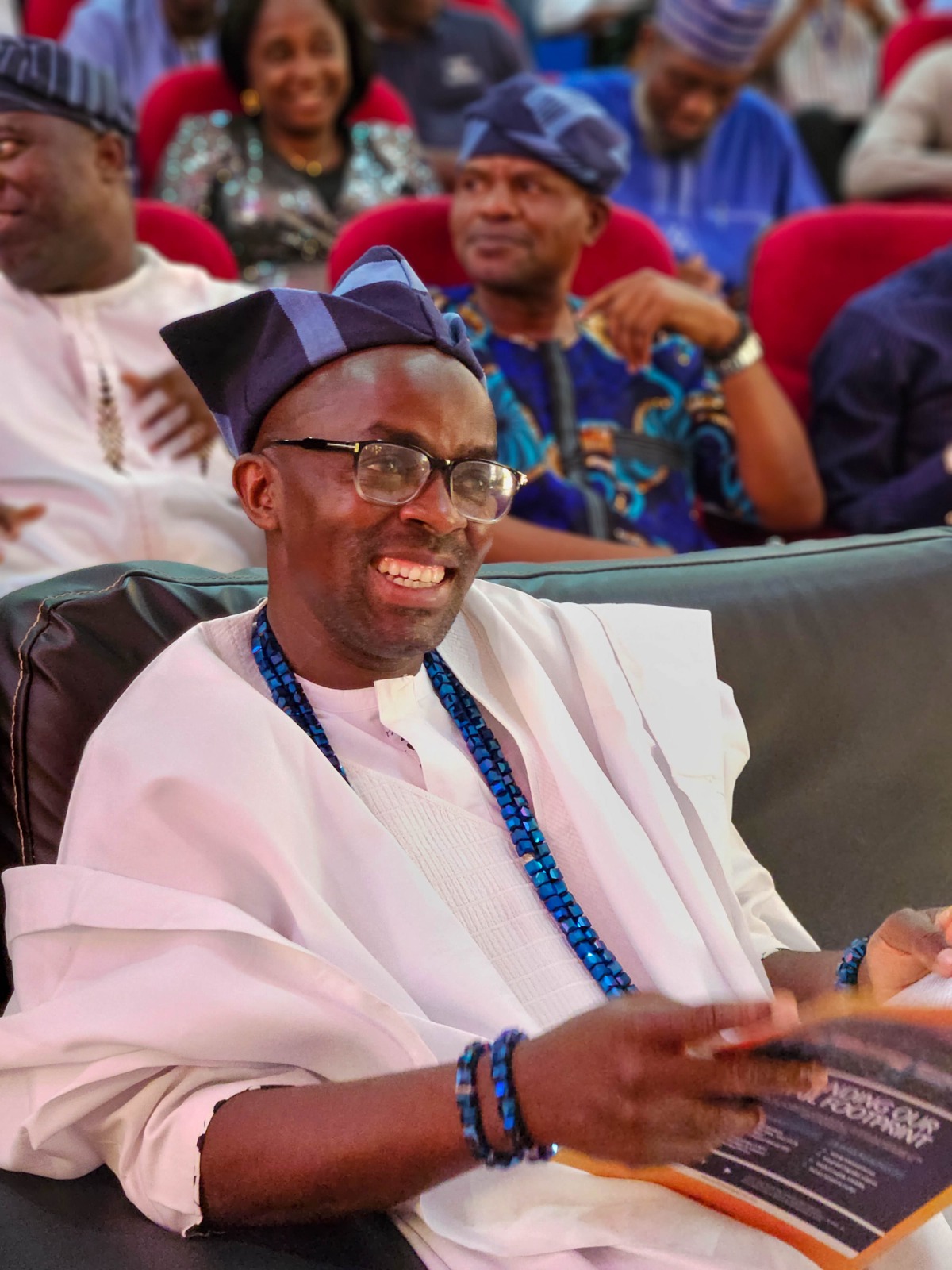
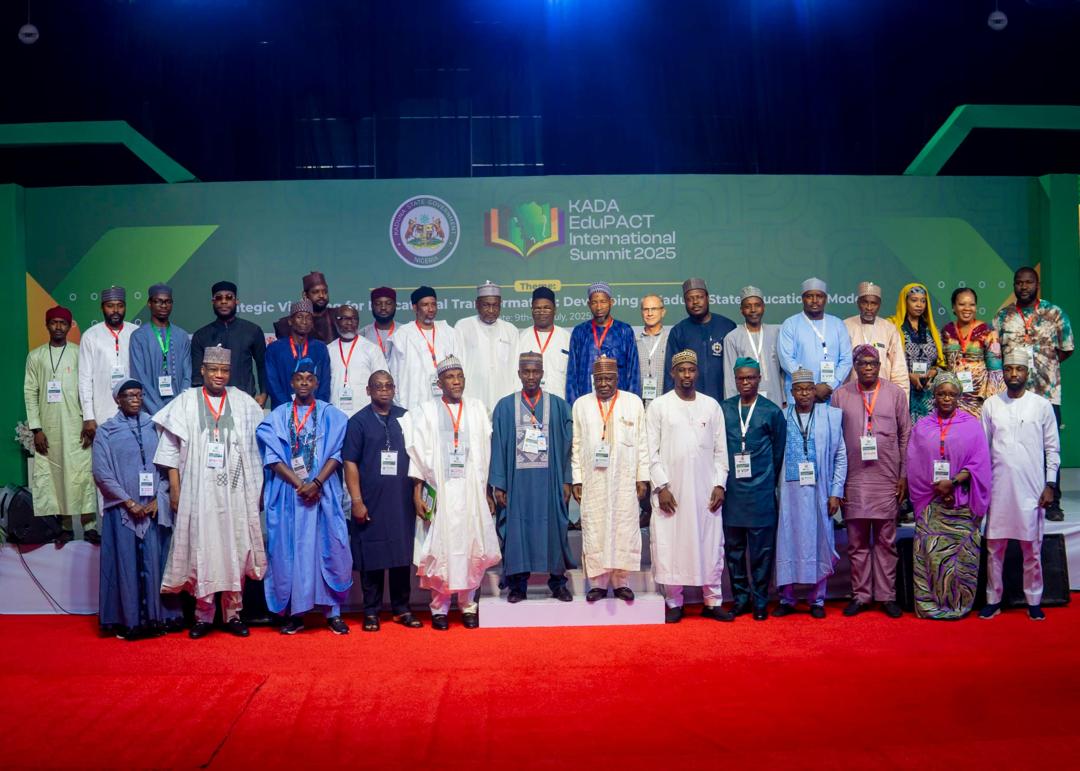
Over the last four years, I have deliberately taken the story of Summit University beyond the campus, through more than 625 professional engagements, conferences, workshops, keynote addresses, lead papers and other academic and professional platforms, both physically and virtually, across Nigeria and beyond. For me, these engagements have never been merely about attending another conference or delivering another paper. Each has been an opportunity to tell our story, showcase our students, share our innovations, build relationships and, quietly but deliberately, place Summit University where people can discover what we are doing.
It is not advertising. It is storytelling through substance.
I have also encouraged my colleagues, mentees and students to become more professionally visible. Visibility matters to individuals too. The journey towards winning an international grant, building a collaboration, receiving an invitation to deliver a keynote address or opening a new professional opportunity often begins with someone simply knowing who you are and what you are doing.
People cannot collaborate with what they cannot see.
This thinking has also shaped an idea I have been encouraging within our academic community: the need to move beyond the traditional knowledge triangle of knowledge generation, knowledge dissemination and knowledge application by deliberately adding a fourth dimension called Knowledge Visibility.
Today, producing excellent knowledge is not enough. That knowledge must also be discoverable, accessible, credible and capable of reaching the people who can use it.
A brilliant research paper that nobody can find may have limited influence. An important innovation that nobody knows exists may never attract investment. A university solving important problems in isolation may remain invisible to potential partners.
Emerging technologies, digital publishing, professional platforms, open-access systems, research analytics and social media have fundamentally changed the academic environment. We must therefore ask not only, “What knowledge are we producing?” but also, “Can the world find it? Can the world understand it? Can the world use it?”
That is why I believe Knowledge Visibility is becoming an increasingly important dimension of modern university leadership.
But there is an important warning here.
Visibility without substance is simply noise.
You cannot build a lasting reputation on publicity alone. You cannot keep telling the world how good you are when there is little behind the story. The work must come first. The substance must come first. The story should then follow.
Otherwise, we risk becoming an empty vessel making a great deal of noise.
I keep coming back to the egg-theft project because it captures this philosophy so beautifully. What began as a problem that appeared small soon became something much bigger. The response became multidisciplinary. Students became problem-solvers. Research moved beyond the classroom. Industry and academic partners came on board. Technology became part of the solution.
What moved me most was watching students realise that the knowledge they were acquiring in the classroom could actually change something outside the classroom. At that moment, education stopped being about passing examinations. It became about solving problems.
Now, we are taking it a step further. We are exploring how some aspects of the work can be commercialised and potentially developed into start-up ventures. For me, this is Acadopreneurship in action. It is about turning knowledge into solutions, solutions into opportunities, and opportunities into ventures that can create value beyond the university.
The eggs may be small, but the problem they represent is not. And the solution that emerges from a university classroom can sometimes travel much further than anyone initially imagined.
That is why I believe a good university cannot afford to remain a well-kept secret.
Somewhere outside the university, there may be a student waiting to discover you, a researcher waiting to collaborate, an industry partner looking for talent, a donor looking for an institution to support, or a community waiting for a solution.
Sometimes, the opportunity is already there. It simply does not know where to find you.
For me, that is the real purpose of university visibility. It is not about seeking applause. It is about creating possibilities.
And perhaps one of the most important responsibilities of university leadership is not only to build something worthwhile, but also to ensure that the world has an opportunity to see what has been built.
Do the work. Tell the story. Create the visibility. Open the door.
Because a good university should never be a secret.
The stories are many. The lessons are even more.
---
Prof. Abiodun Musa Aibinu, Ph.D.
Professor of Mechatronics Engineering | University Leader | Innovation & AI Advocate
Author, Notes from a Vice-Chancellor
Sharing practical insights and lessons from academia, leadership, technology, innovation, and institutional transformation.